

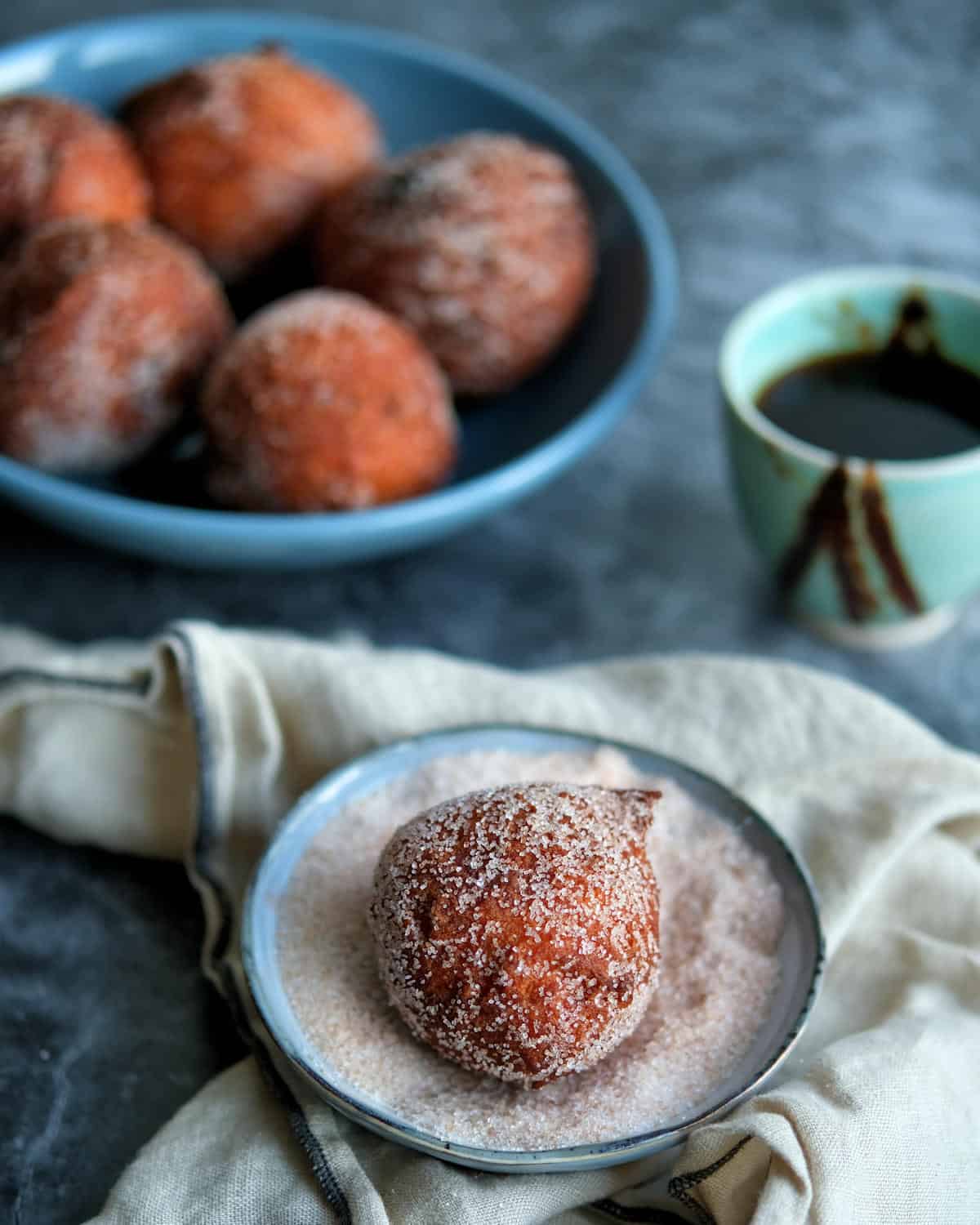
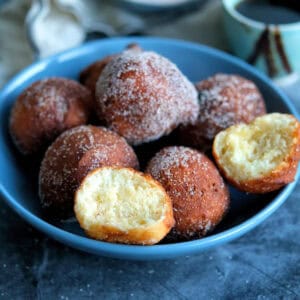
Fluffy Quarkbällchen, also known as German Donut Balls, are delicious fried dough balls made with quark. In Germany, they're a much-loved snack, particularly around Carnival season (think Germany's version of Mardi Gras!) and Christmas.
I love picking these up from our local bakery here in Bremen as an alternative to Berliner jam donuts. They're much smaller - finger food-sized little treats, crispy on the outside, pillowy soft on the inside, and rolled in cinnamon sugar while still warm. The quark gives them a delicate, slightly tangy flavour that you just don't get from a regular donut - lighter, less greasy, and honestly completely addictive.
Today I'll show you how to make Quarkbällchen right from your own kitchen. Can't find quark where you live? No problem! I'll also share my tried-and-tested quark substitute that works perfectly every time.
Jump to:
What Are Quarkbällchen ?
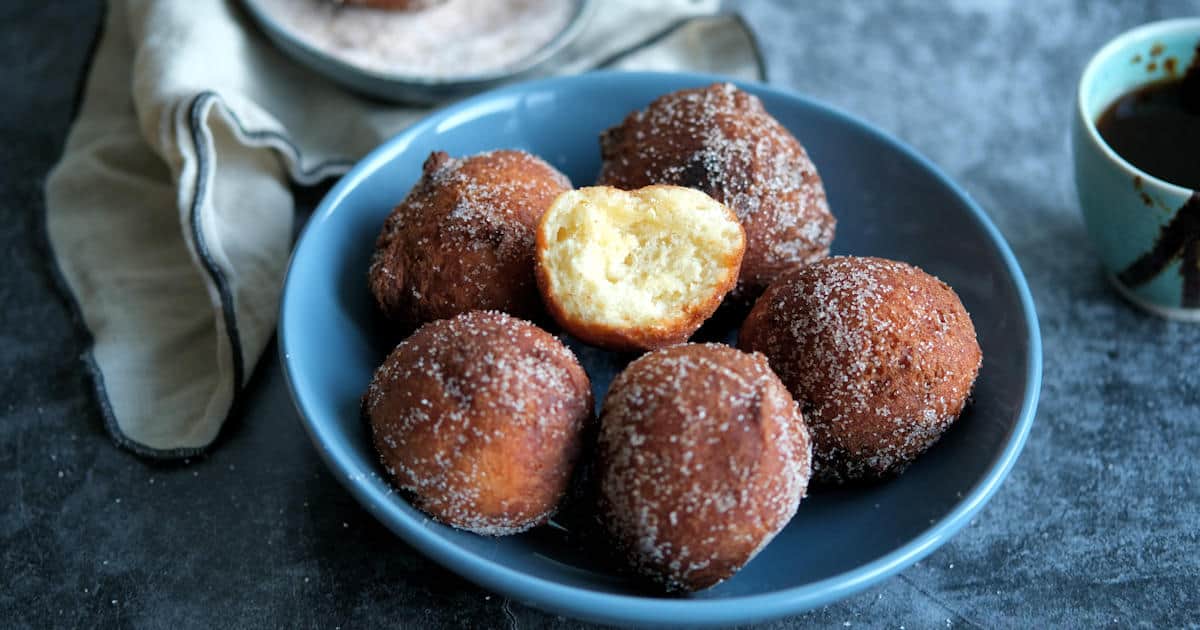
Quarkbällchen are small and fluffy German dough balls made using quark, a type of unaged soft cheese. They're gently fried to perfection until crispy golden on the outside and pillowy soft on the inside.
The name gives it away. "Quark" is the star ingredient, and "Bällchen" is just the cute German word for "little balls." You might also see them called Quarkkrapfen, since Krapfen is simply the German word for donut. Not sure how to say it? It's pronounced KVARK-bell-shen - just say it out loud once and you'll never forget it!
Think of them as Germany's answer to donut holes, but better. They're similar to Berliner donuts, except smaller, unfilled, and made with a quark-based dough rather than yeast dough. That's actually what makes them so quick to make. No waiting around for dough to rise!
This distinctly German take on doughnuts can be enjoyed all year round, but they're particularly popular during Fasching (Karneval) season and at Christmas Markets.
What is Quark Cheese?
Quark is a fresh, un-aged cheese and a staple in Germany, Austria, and the wider central Europe region. Quark is made by adding lactic acid bacteria cultures to milk and then allowing it to curdle until the desired consistency is reached. This process makes quark high in protein while being relatively low in sugar and carbohydrates (Source).
With its mild, neutral flavor that is neither sweet, sour nor tangy, quark complements both sweet and savory dishes. Quark is used in the famous Käsekuchen (German cheese cake), Apricot and Plum Dumplings, Quarkkeulchen (German Potato Pancakes) and the classic Quark Dip with Herbs.
Ingredients
Here are the simple ingredients you need for perfect homemade German Donut Balls.
For the detailed instructions and exact measurements, please jump to the printable recipe card
- Quark: (you can substitute it with cream cheese and Greek yoghurt)
- Granulated Sugar
- Vanilla Extract (affiliate link)
- Lemon Zest (optional but it gives it a fruity flavors)
- Eggs
- Baking Powder (affiliate link):
- All-purpose Flour (also called plain flour):
- Neutral Oil (for frying): Opt for deep-frying suitable options like sunflower, canola, or other light vegetable oil. This will give your Quarkbällchen a crispy golden brown finish without imparting any unwanted flavors.
How to Replace Quark
If quark isn't available in your country, don't worry, it's easy to replace!
My preferred substitute is a 50/50 mix of Greek yogurt and cream cheese. This combination mimics the texture and consistency needed for our Quarkbällchen batter.
Here are some other quark alternatives you can use:
- Ricotta cheese: The mild flavor and creamy texture make it a solid stand-in for quark in doughnut batter.
- Cottage cheese: Vigorously whisk it or blend it until smooth for the best results. Keep in mind this will make the flavor a tad tangier.
- Mascarpone: Another easy swap, this creamy Italian cheese is very mild and unaged, making it a great quark substitute.
How to Make Quarkbällchen
Hint - this is a quick visual overview of the recipe. Check out the recipe card at the bottom for detailed instructions and exact ingredient measurements.

1. Prepare the Dough. Mix the quark, sugar, vanilla extract (affiliate link), lemon zest, and eggs until smooth.
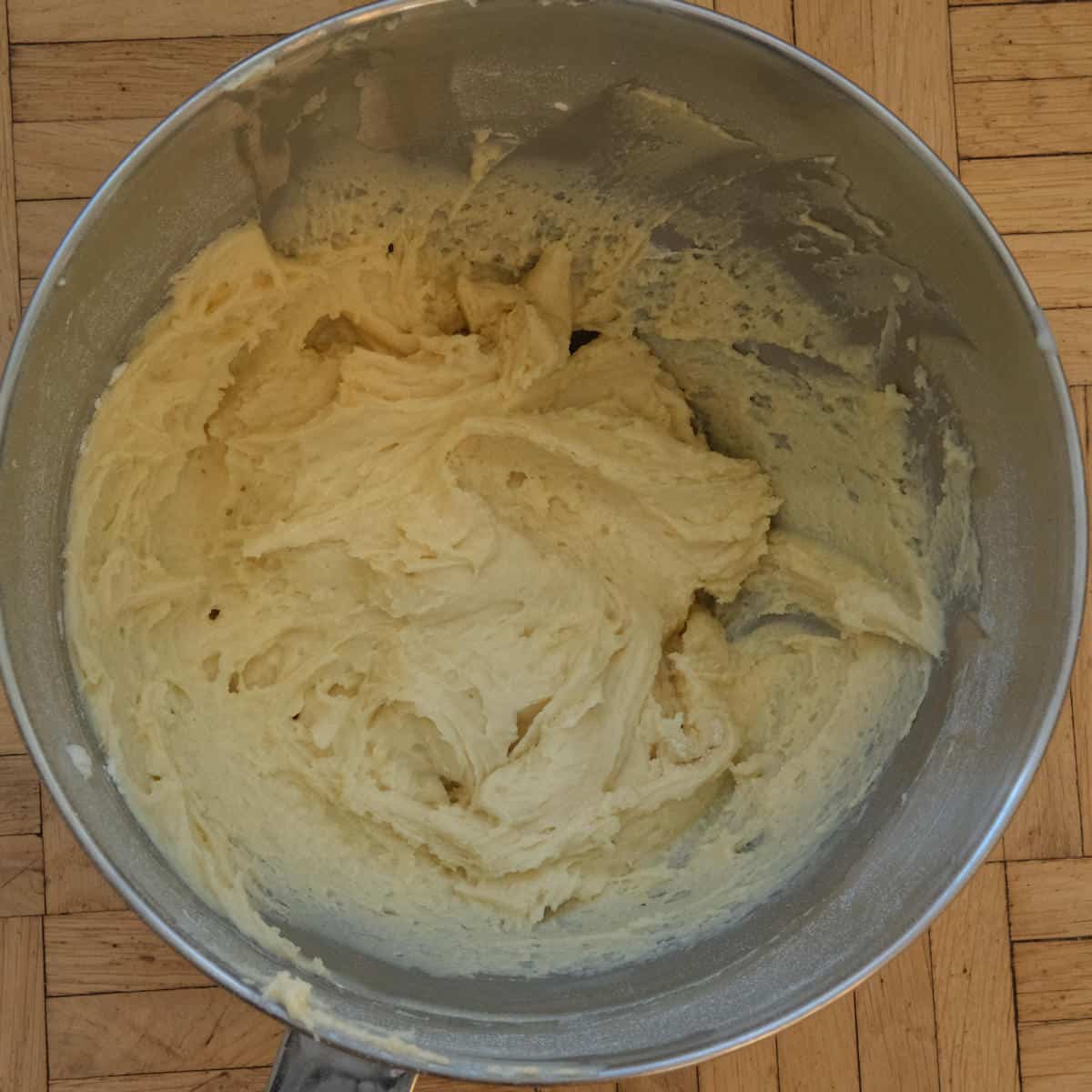
2. Combine Dry Ingredients: Stir in the flour and baking powder (affiliate link) until the dough is slightly sticky but not firm.
3. Heat Oil: Pour oil into a saucepan (about 10 cm deep) and heat to 170°C/340°F. Check with a thermometer or the handle of a wooden spoon-bubbles around the spoon indicate the right temperature.

4. Shape Doughnuts: Use a metal ice cream scoop, two tablespoons, or wet hands to form dough balls and drop them into the hot oil.

5. Fry Doughnuts: Avoid overcrowding. Turn the doughnuts regularly to ensure even browning, frying for about 5 minutes. Test one for doneness, and lower the heat if they brown too quickly.
6. Drain and Coat: Remove with a slotted spoon, drain on paper towels, and roll in cinnamon sugar or dust with powdered sugar.
Want to save this recipe?
Toppings
Keep it simple with these timeless and foolproof topping options:
- Powdered Sugar: Gently rolling your Quarkbällchen into a shallow plate of powdered sugar will have them tasting sweet and looking elegant. It's a great crowd-pleaser and the perfect finishing touch.
- Cinnamon Sugar: For those wanting a slightly stronger flavor twist, cinnamon will provide just that with its warming, comforting, and slightly earthy aroma.
For a festive variation, feel free to play around with holiday spices such as ground nutmeg, cloves, cardamom, or allspice.
You can also serve them with a variety of dips like jam, melted chocolate, apple sauce, caramel, and lemon curd.
Expert Tips
- Frying temperature: Keep an eye on the frying temperature. I recommend using a food thermometer for best results. If the temperature is too low, the quark doughnuts will turn out overly greasy, while too high will cause them to brown too quickly, resulting in a burnt outside and a slightly raw center.
- Drain Excess Grease: Once fried, transfer the quark doughnuts to a few sheets of kitchen roll to absorb any excess oil. You can gently dab the doughnuts to remove the grease.
- Frying safety: Avoid letting any water come into contact with the hot frying oil, as this can cause the oil to splatter and potentially spill out of the pan.
- Proper Ventilation. Additionally, ensure sufficient ventilation by opening windows wide or using an extractor hood to keep the air circulating.

German Donut Balls Storage
Always allow the quark doughnuts to cool to room temperature before storing. For the best taste and texture, enjoy them fresh - the same day you made them.
However, you can store them in an airtight container for up to a day, either at room temperature or in the fridge. Keep in mind that the longer they're stored, the more their texture will deteriorate, and they will lose their freshness and fluffiness.
If you want to keep them for longer, you can freeze them for a few months. Freeze them without any toppings, then thaw and reheat them in an oven or air fryer before serving.
More Fasnachts Recipes
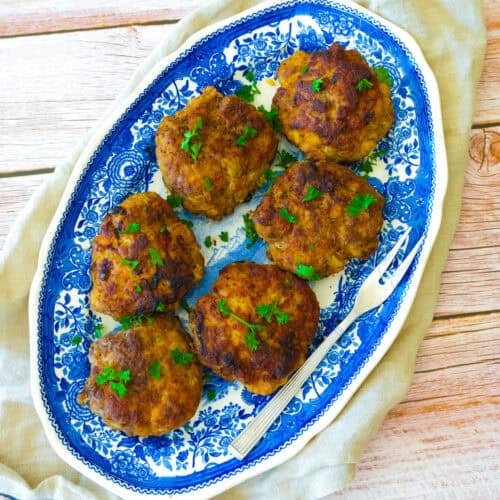
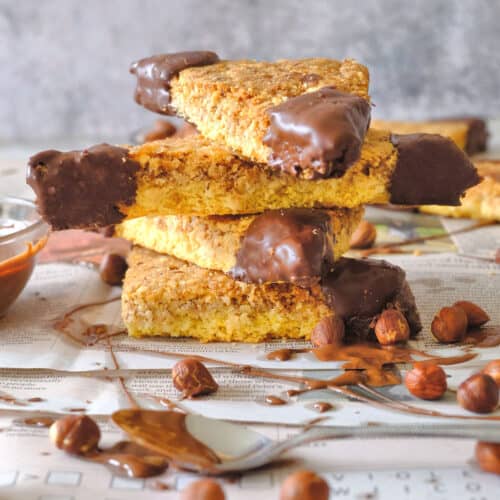
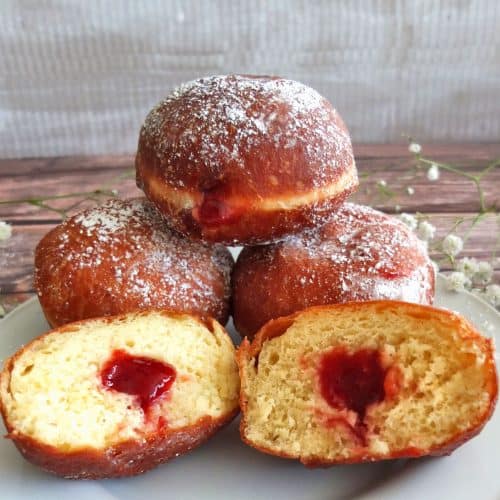
Have you made this recipe?

I'd love to hear how it turned out! Leave a rating and comment below.
You'll help fellow readers enjoy it too and help me spread the word about German cuisine. - Marita x
Recipe
Quarkbällchen (German Donut Balls)
Ingredients
- 1 cups (250 g) Quark (or substitute with ½ cup Greek yogurt + ½ cup cream cheese)
- 3 tablespoon granulated sugar
- 2 teaspoon vanilla extract
- 1 teaspoon lemon zest
- 2 eggs
- 2 teaspoon baking powder
- 2 cups (250 g) all-purpose flour (UK plain flour)
To Fry
- 3 cups (750 ml) neutral oil such as rapeseed or canola oil
Instructions
- Place the quark, sugar, vanilla extract (affiliate link), lemon zest, and eggs into a bowl. Mix until smooth and well combined.1 cups Quark, 2 tsp vanilla extract (affiliate link) , 1 tsp lemon zest , 2 eggs , 3 tbsp granulated sugar
- Combine the flour and baking powder (affiliate link), then gradually stir them into the quark mixture. The dough will be slightly sticky but not overly firm.2 tsp baking powder (affiliate link), 2 cups all-purpose flour
- In a saucepan, add the oil, ensuring it is about 10 cm (4 inches) deep. Heat the oil to 170°C (340°F). You can check the temperature with a kitchen thermometer or by dipping the handle of a wooden spoon into the oil-if bubbles form around the spoon, the oil is ready.3 cups neutral oil
- The easiest way to form the doughnuts is to dip a metal ice cream scoop into the hot oil and use it to carefully slide the dough into the oil. Alternatively, you can use two tablespoons to drop the doughnuts into the oil or shape the dough into balls with wet hands.
- AvAvoid overcrowding the pan, as the doughnuts will expand. Turn them regularly to ensure even browning. The exact frying time will depend on the size of your doughnuts, but mine took about 5 minutes. To check for doneness, remove one doughnut and cut it open to ensure it's cooked through. If the doughnuts brown too quickly, lower the heat immediately.
- Remove the doughnuts from the pan with a slotted spoon and drain them on a paper towel to remove excess oil. Then, roll them in cinnamon sugar or dust them with powdered sugar.
Notes
- to make the cinnamon sugar: combine ½ cup of granulated sugar with 2 teaspoon of ground cinnamon.
Want to save this recipe?
Nutrition
 Made this recipe?Drop a ⭐ rating and a quick comment below. I personally read and reply to every review!
Robert Kaiser says
Super
Marita Sinden says
Thank you Robert, I am glad you enjoyed them.
Anabelle Garbanzo says
Las hice y me quedaron perfectas. Incluso las guarde en la refrigeradora dentro de un tupper y no les pasó nada, las calenté en el micro y quedaron deliciosas. Gracias por esta maravillosa receta. Saludos desde Costa Rica.
Marita Sinden says
You are welcome Anabelle, I a glad you enjoyed it 🙂
Beatrice L Didio says
Could you please tell me How many this makes.. Thank You
Marita Sinden says
Hi Beatrice, it depends on how large you make them but they would be between 10 -12 donuts.
Basma Dutton says
It is one of my favorite recipe. Thank you so much 💓