

You probably think of Italy when someone mentions European coffee culture. The perfect espresso at a Roman bar, or a café au lait on a Parisian terrace. But here's what nobody tells you about German coffee culture: Germany out-drinks Italy by 25% and consumes, per person, nearly double the coffee of France. Yet hardly anything is written about it. It's time to change that.
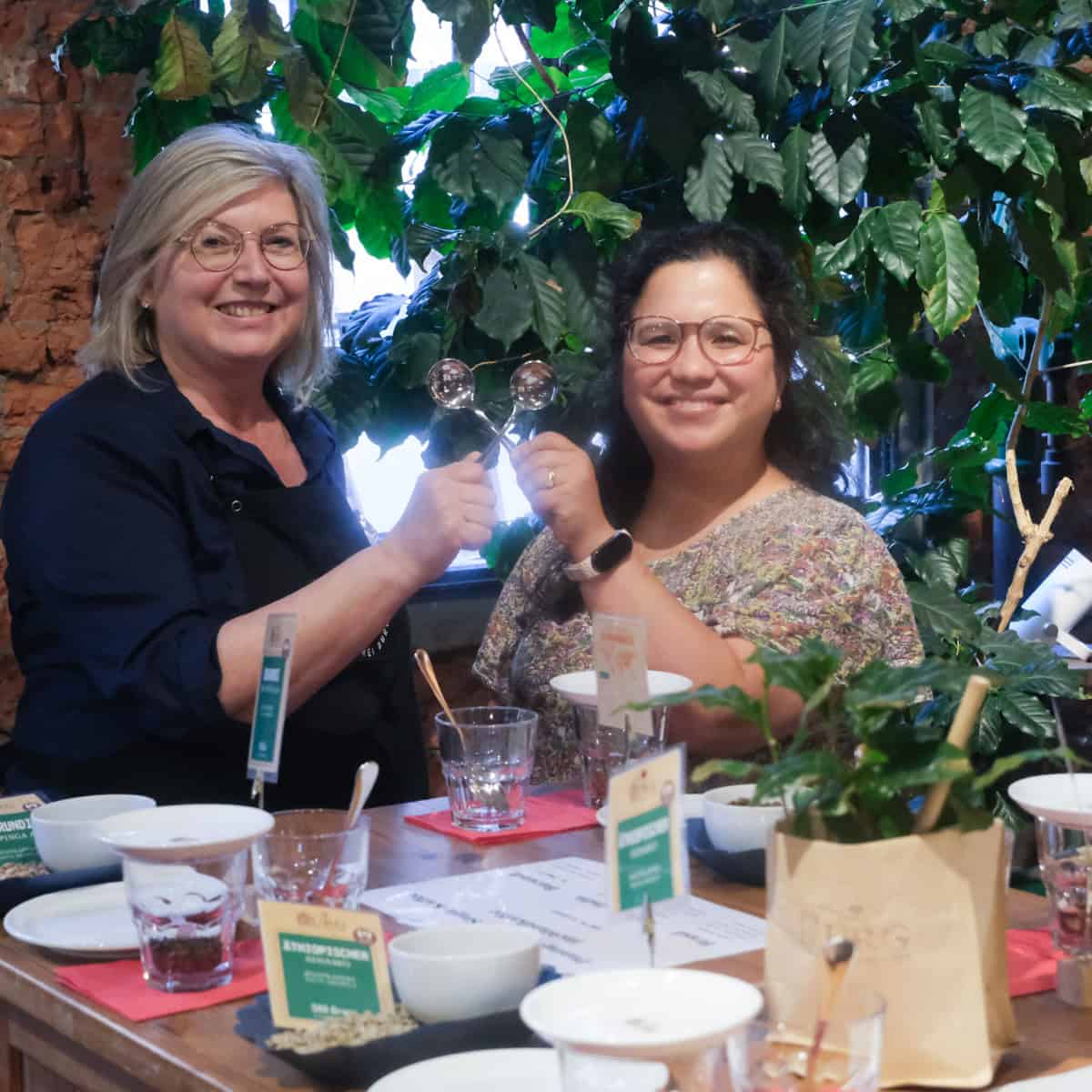
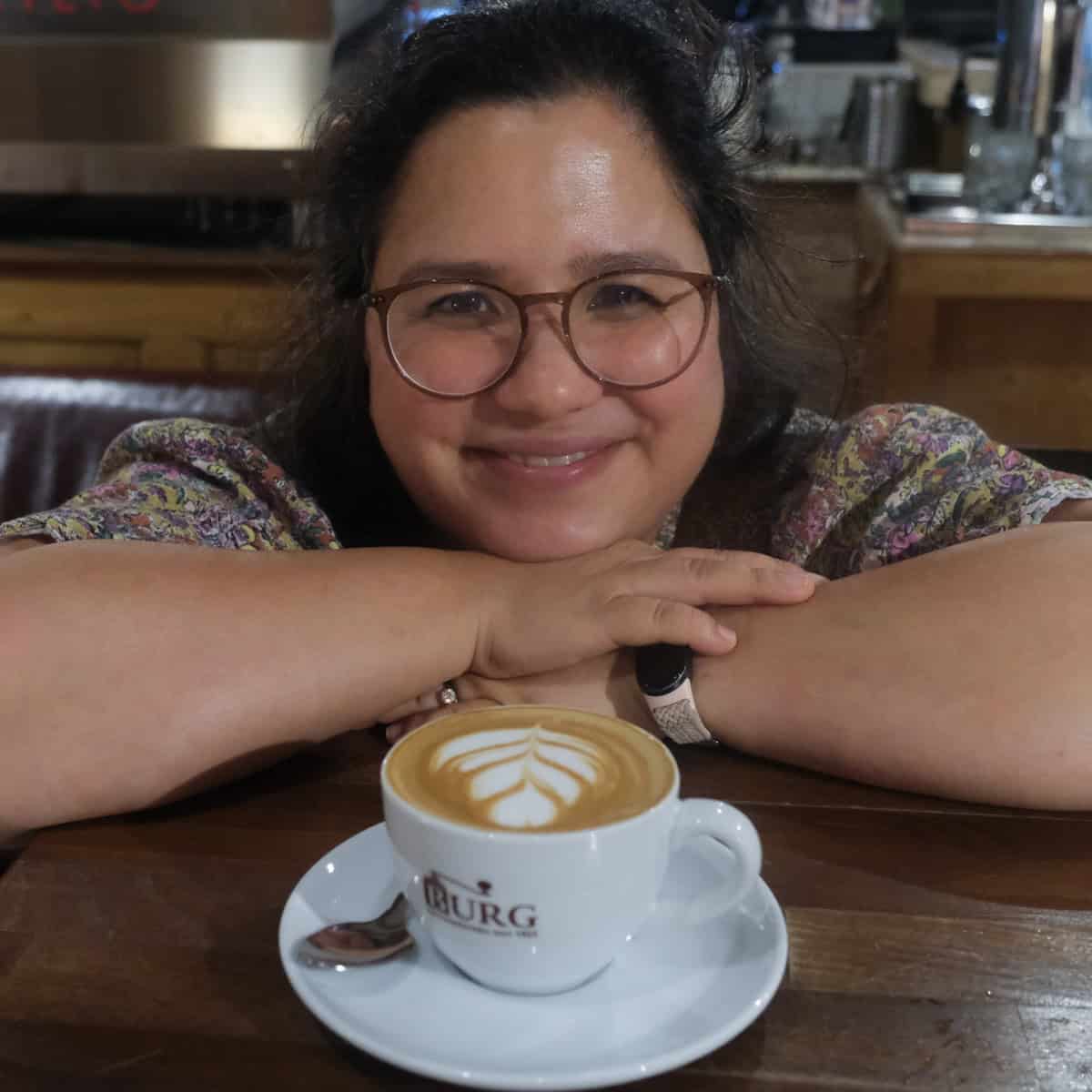
To make sure I'm giving you the most accurate picture possible, I visited the Kaffeemuseum Hamburg. I spoke to Bärbel Dahms, who has over 40 years of experience researching German coffee culture.
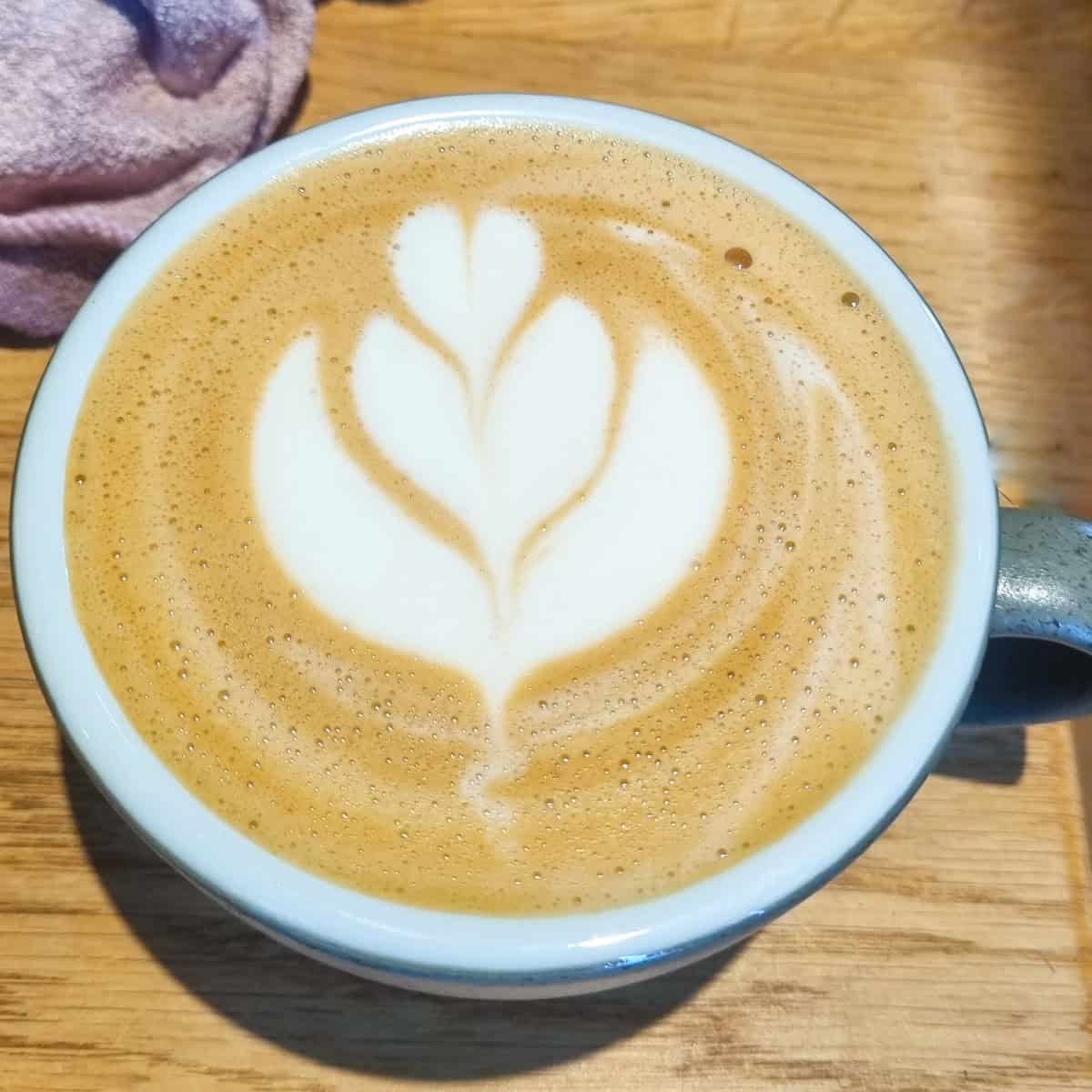
I also happen to live in Bremen -- home of Germany's very first coffeehouse, opened back in 1673. Walk through the neighbourhood where the Jacobs factory sits, and you are welcomed by the most incredible smell of slowly roasting coffee beans drifting through the streets. I genuinely recommend visiting for the smell alone!
Jump to:
What Coffee Do Germans Actually Drink?
Filter coffee is still the nation's favorite, but German coffee culture is wonderfully varied -- from classic to contemporary:
- Filter coffee -- the undisputed number one, enjoyed regularly by 44% of Germans
☕ Did you know? Filter coffee as we know it was invented by a German woman. In 1908, Dresden housewife Melitta Bentz was so frustrated by coffee grounds in her cup that she grabbed a brass pot, a nail, a hammer and a page from her son's school notebook -- and invented the coffee filter. The small business she started in Dresden is today a global company with around 6,000 employees. Not bad for a piece of blotting paper!
- Cappuccino -- a strong second at 38%, one-third espresso, two-thirds milk foam
- Café Crema -- 33% of Germans drink this regularly; think espresso with a splash of hot milk or cream, similar to what Americans call a white coffee
- Milchkaffee -- enjoyed by nearly 30%; half filter coffee, half hot milk, no foam
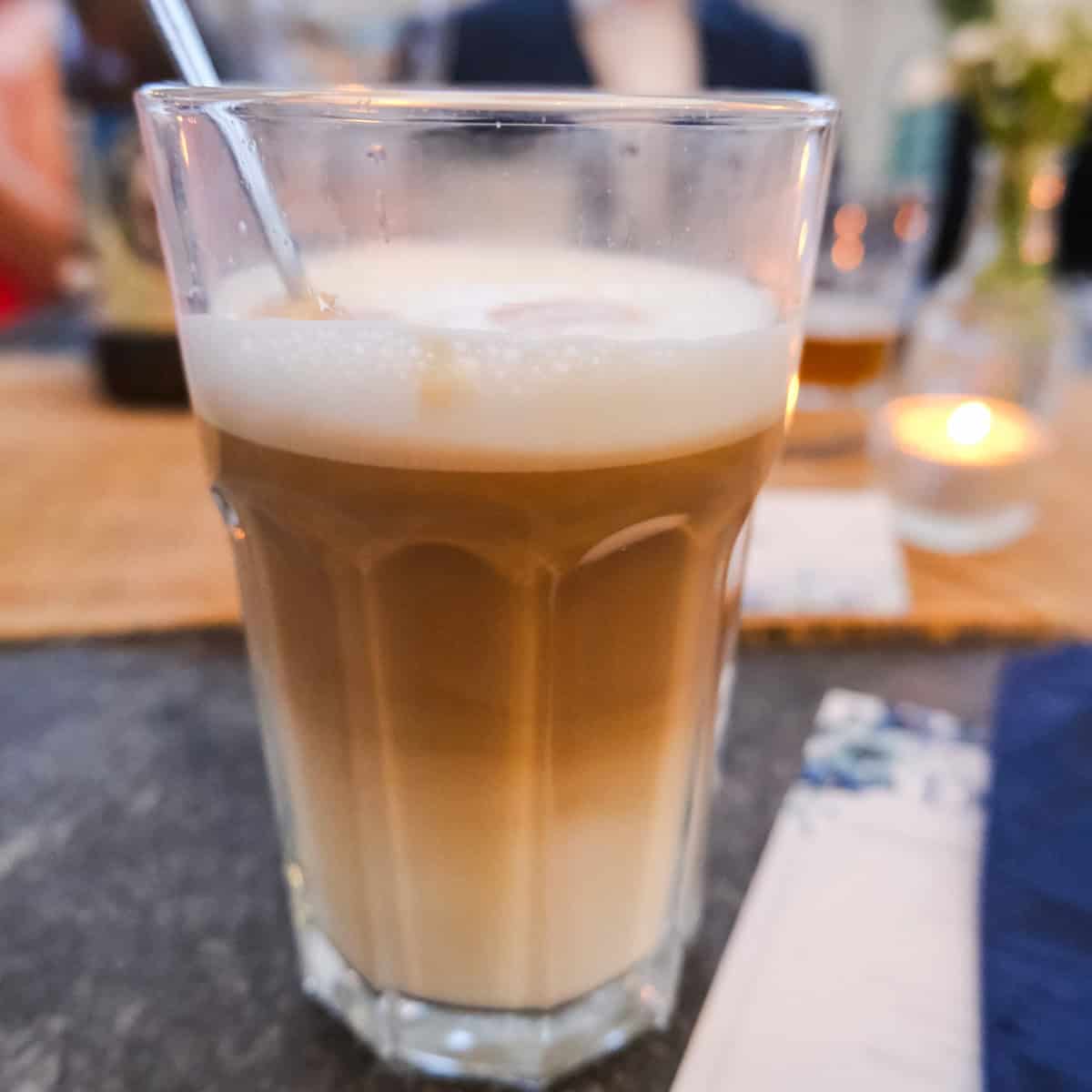
- Latte Macchiato -- 26% reach for this regularly; three layers of hot milk, espresso, and milk foam, always served in a glass
☕ Did you know? The Latte Macchiato was actually invented in Italy as a drink for children -- a tiny splash of espresso in warm milk. It stayed that way for decades until it landed in Munich in the 1990s and took Germany by storm almost overnight. It even became a cultural catchphrase: the "Latte Macchiato Mütter" (Latte Moms) -- young urban mothers, always with a to-go cup in hand and organic groceries in the bag. Only in Germany does a coffee drink become a social commentary!
- Espresso -- perhaps the biggest surprise, plain espresso comes last at just 22%. A very different picture to Italy, where espresso is practically a religion!
Source: Aral Kaffeestudie 2025, conducted by IPSOS Observer, 1,100 respondents aged 18-75
Want to save this recipe?
Popular German Coffee Brands
Because filter coffee is Germany's favorite, the most commonly used bean is Arabica. According to Bärbel Dahms, Arabica is actually a higher-quality bean than the Robusta typically used for espresso.
The four big German coffee brands you'll find in virtually every German household are: Dallmayr Prodomo from Munich, Jacobs from Bremen, Melitta from Dresden, and Tchibo from Hamburg. If you're in the US, Canada, or the UK and want to try them, all four are available on Amazon.
 Buy Now →
  Buy Now →
  Buy Now →
  Buy Now →
 (affiliate link)
But Frau Dahms makes an important point: independent, smaller roasteries are growing fast across Germany, and they can achieve a quality that mass producers simply cannot. Large roasteries roast beans quickly at high temperatures. However, Artisan roasteries take more time and patience to bring out the best in each bean.
Sustainability matters deeply to German coffee drinkers, and the trend is growing fast. According to the Deutscher Kaffeeverband, sustainably certified coffee grew by 8.6% in 2024 -- and today one in every five coffee packets sold in Germany carries a sustainability label, whether it is organic, Fairtrade, or Rainforest Alliance certified.
German Coffee Culture: Kaffeeklatsch and Kaffee und Kuchen
When it comes to German coffee culture, coffee is never just a drink. It is a social ritual.
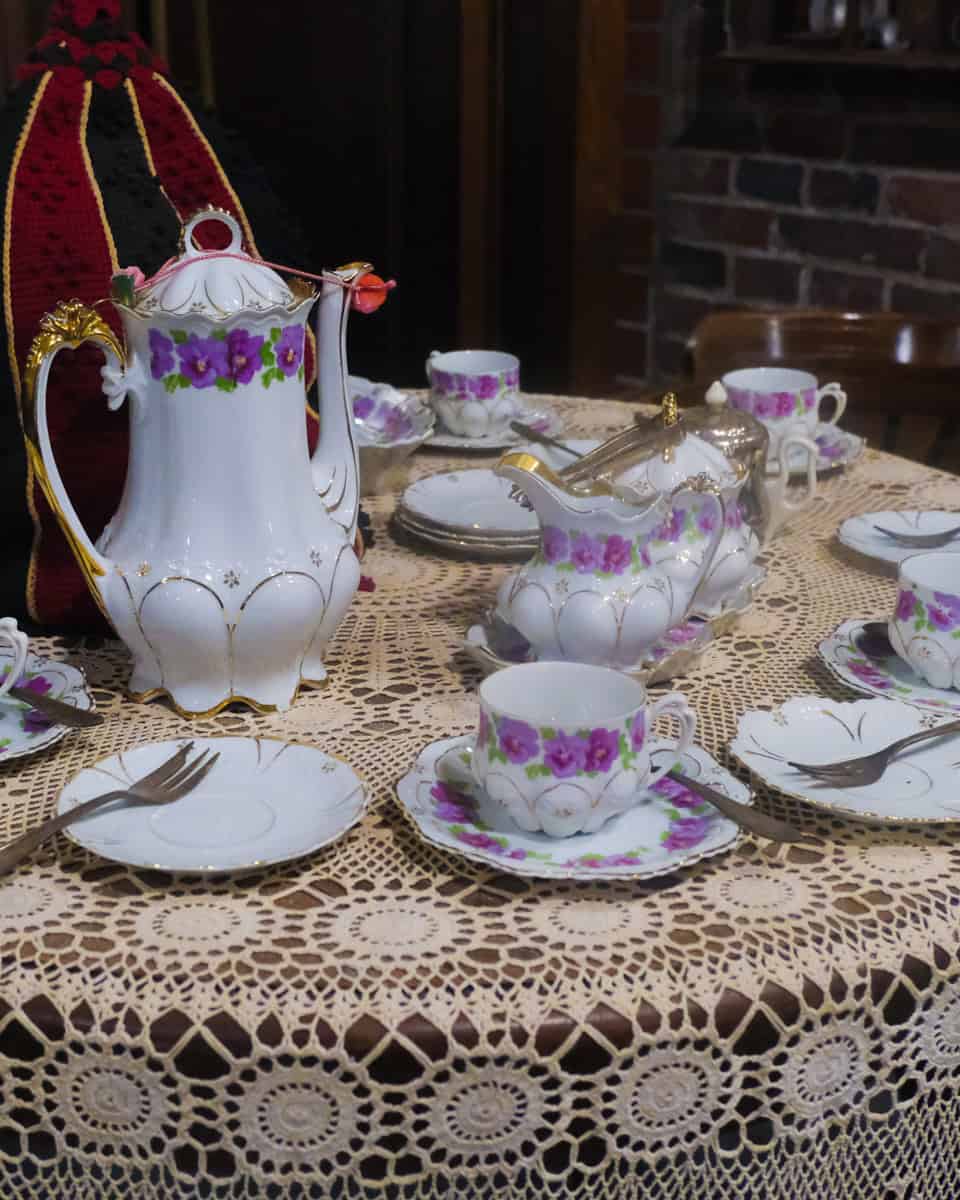
Germans have a word for it -- Kaffeeklatsch. (Literally "coffee gossip"). It describes the very German habit of gathering with friends, family, or colleagues to drink coffee, eat cake, and talk. No agenda, no rushing. Just people, coffee, and cake -- usually some time between 3pm and 5pm in what Germans call Kaffee und Kuchen time.
For me, growing up with a family bakery, this was simply part of life. And once you experience it, you'll understand why Germans have been doing it for over 300 years.
A Brief History of German Coffee: From Luxury Good to National Obsession
Coffee arrived in Europe via trade routes from the Middle East in the 17th century, and Germany took to it almost immediately. The country's first coffeehouse opened in Bremen in 1673, with Hamburg, Leipzig and Berlin following shortly after. These weren't just places to drink coffee -- they were buzzing creative hubs.
Both Goethe and Bertolt Brecht were regular visitors. It was at Leipzig's famous "Zum Arabischen Coffee Baum" -- one of the oldest coffeehouses in Europe and still open today as a museum -- that Goethe handed chemist Friedlieb Ferdinand Runge a bag of coffee beans and challenged him to investigate their properties. Runge went on to isolate caffeine in 1819. Not bad for a coffee shop conversation. Coffee was exotic, expensive, and utterly fashionable. Naturally, everyone wanted it.
Hamburg: The Coffee Capital of Europe
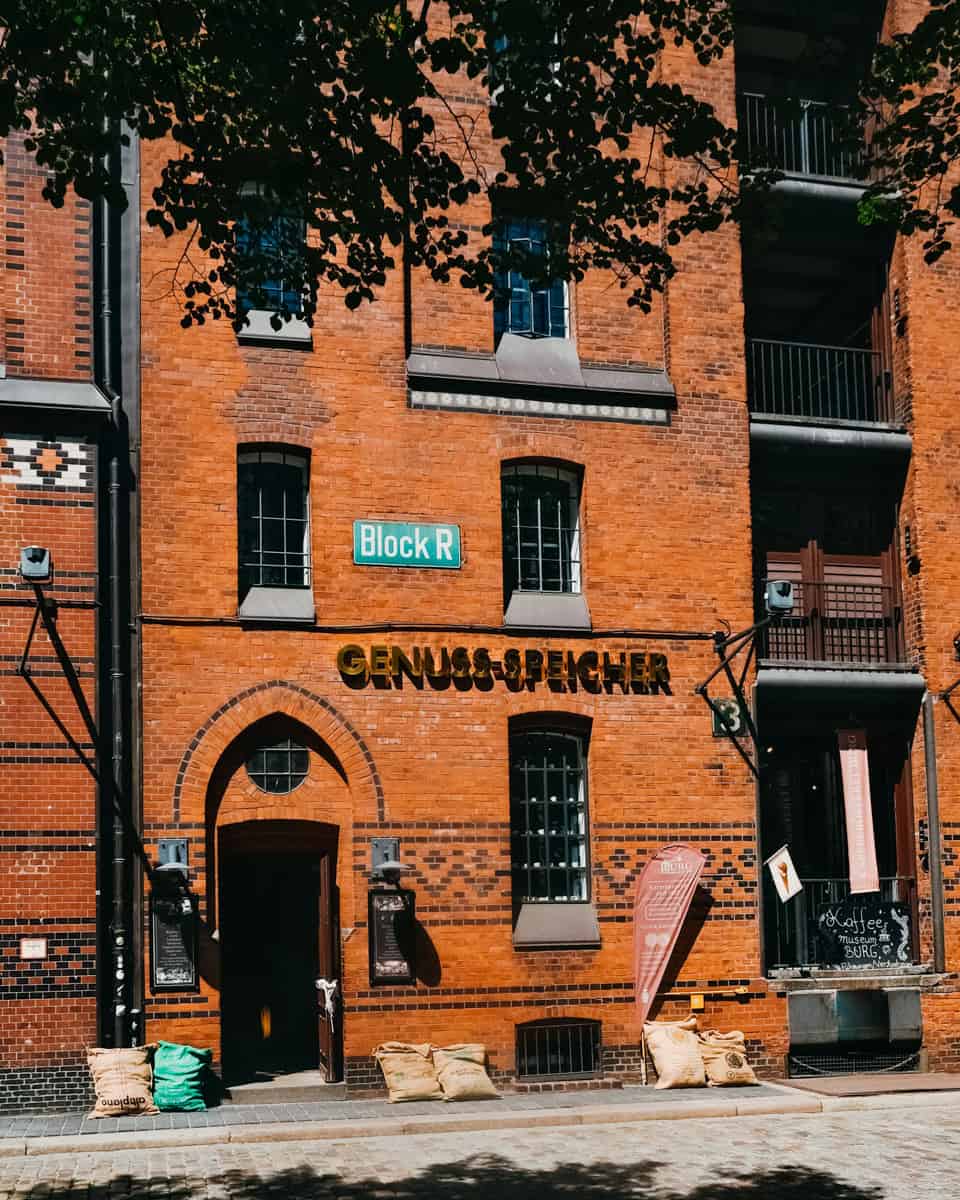
Hamburg quickly became Europe's most important coffee trading port, a position it still holds today. The city's location made it the natural gateway for coffee beans arriving from South America and Africa, and the great trading houses of Hamburg built their fortunes on the bean. Today, Hamburg is still home to the largest warehouse of unroasted coffee beans in the world. If you visit, head to the Speicherstadt -- the historic warehouse district -- and feel history come alive around you.
The Coffee Tax -- and the Sniffers
Not everyone was happy about coffee's popularity. Frederick the Great of Prussia was furious that ordinary people were spending money on coffee instead of beer -- which was taxed and profitable for the state. His solution? He imposed crippling coffee taxes, gave the government a monopoly on roasting, and banned peasants from roasting their own beans.
When a black market predictably emerged, Frederick hired 400 retired soldiers and sent them onto the streets of Berlin with one job: sniff out anyone illegally roasting coffee at home. The "Kaffeeschnüffler" -- Coffee Sniffers -- were paid a quarter of every fine they collected, which made them extremely motivated and universally hated. Think of them as the parking enforcement officers of 18th-century Prussia. Frederick died in 1785, and his Coffee Sniffers were disbanded shortly after. Nobody missed them.

The East German Coffee Crisis
Fast forward to the 1970s. East Germany was gripped by a coffee shortage so severe it threatened social order -- East Germans reportedly spent three times more on coffee than on shoes. With real coffee unaffordable and in short supply, many East Germans turned to Kaffee Ersatz -- coffee substitutes made from roasted chicory, barley, or rye. It tasted nothing like the real thing, and everyone knew it, and the government knew it too.
Their emergency solution was extraordinary: they struck a deal with the newly communist government of Vietnam and set up an entire coffee plantation there. The first harvest was due in 1990. The Berlin Wall fell in 1989. East Germany got its coffee just in time for reunification -- and Vietnam went on to become the world's second-largest coffee producer.
The Melitta Moment
And let's not forget -- it was a German woman who changed how the entire world brews coffee.
The Post-War Boom
After the shortages of World War II, Germans made up for lost time in spectacular fashion. Coffee consumption rocketed from just 1.5kg per person in 1953 to 7kg by 1990 -- a nearly fivefold increase in a single generation. The arrival of the first electric drip coffee machine in 1954, the Wigomat, put good coffee within reach of every household. By 1965, the statistics were clear: coffee had overtaken beer as Germany's most consumed drink. It has never looked back.
And unlike many other countries, Germany was never swept away by the Starbucks revolution. While the green mermaid has made inroads in city centres and train stations, Germans have largely stayed loyal to their own coffee culture -- their beloved filter coffee, their independent Konditoreien, and their local roasters. When you have 350 years of coffee tradition behind you, you don't really need a Pumpkin Spice Latte to tell you how it's done.
What is the Future for German Coffee?
When I asked Bärbel Dahms what she sees for the future of German coffee culture, her answer was clear: the industry is growing, and the opportunities are significant.
German consumers are increasingly curious about where their coffee comes from, how it is grown, and how it is produced. Sustainability is no longer a nice-to-have: it is an expectation. And the specialty coffee scene is expanding fast, with independent roasteries popping up in cities and small towns across the country.
But Frau Dahms also sees room for improvement. Despite Germany's famously thorough approach to professional qualifications, there is still no official certification for coffee roasters. In a country where you need a licence for almost everything, that is a surprising gap -- and one the industry is pushing to close.
Perhaps most intriguingly, she sees a cultural shift creating a real opportunity for coffee. While alcohol consumption in Germany is falling, particularly among younger generations, the desire for community and shared rituals remains as strong as ever. The Kaffeeklatsch, the Kaffee und Kuchen gathering, the neighbourhood Konditorei -- these aren't going anywhere. As Frau Dahms puts it, beer and coffee have always been about the same thing in Germany: bringing people together. Coffee is simply having its moment.
Did you enjoy this introduction to German coffee culture? Leave a comment below
I'd love to hear your own memories of drinking coffee in Germany. A favourite Konditorei, a Kaffee und Kuchen moment, anything goes. Pull up a chair and let's talk over a Kännchen!


Manuela says
I current live in the U.S., but my German friends and I practice Kaffee Klatsch almost every day. It’s what we grew up with.
Mike Herzberg says
Excellent historical presentation!
Informative and fun read.
Danke!
Marita Sinden says
Thanks Mike! I am glad you enjoyed the article!
Peter Fall says
Since my upbringing in the 60’s in Nord Rhein Westphalia I learnt quickly that Kaffee und Kuchen were a way of life. My aunt Annie often made kirsch Torten on Sundays with shlag. Nuss kuchen was always my favourite too but it had to be accompanied by filter kaffee.
I enjoyed your article, expressive and informative. Thank you. It’s these articles that bring back such wonderful memories of the past and happy times I may addd. I was lucky to have shared two,cultures.
Peter Fall, 78 today!
Marita Sinden says
Happy Birthday Peter! I hope you had Nusskuchen today and thank you so much for your kind comment on my post.
Carol says
Your information was very interesting and informative. My friends love technology and have a super duper coffee machine. Quite a large one that grinds the beans first before making the coffee. Don't know what brand he uses but lives not far from you. I will have to check.
Enjoy your emails which I keep unless the recipes are in your books that I pur based. Looking at trying potato salad and the carrot salad recipes. My husband hates the uk ones but actually had seconds of the German ones when we were over there.
Regards
Carol
Marita Sinden says
Hi Carol! Thank you! I am glad you found it interesting! I hope your husband likes the salads 🙂 Best Wishes Marita
GUDRUN KLINGELSTEIN says
Thank you for writing the Koffee Klatsch Story. It was a main stay in my original family. I loved going to my mom's for Kaffee und Kuchen ( which was always fresh baked). I do really miss her and our time together. I will be in Innsbruck soon and am looking forward to Kaffee und Kuchen.
Marita Sinden says
Thanks for your kind comment Gudrun! I hope you have a great time in Insbruck 🙂