
Easy German Easter Bread with Marzipan (Osterkranz)
This German Easter bread wreath is filled with a rich marzipan and almond paste, twisted into a beautiful Osterkranz and baked until golden. Soft, fragrant and utterly showstopping — this is the Easter centrepiece your brunch table has been waiting for.
Servings 12 people
Calories 488kcal
Ingredients
For the yeast dough
- 1 egg medium size, at room temperature
- 250 ml milk lukewarm
- 2 teaspoon instant yeast
- 60 g granulated sugar
- 500 g all-purpose flour UK plain flour, Germany type 505
- ½ teaspoon salt
- 80 g butter room temperature
- 3 tablespoon sliced almonds to decorate (optional)
For the almond marzipan filling
- 200 g marzipan see how to make homemade marzipan here
- 200 g ground almonds
- 50 g granulated sugar
- 50 g butter
- 6 tablespoon milk
To decorate
- 3 tsbp sliced almonds
- 3 tablespoon powdered sugar optional
Instructions
- Preheat the oven to 50°C (122°F) (or the lowest setting on your oven).
- Whisk the egg in a small bowl. Remove 2 tablespoons of the egg mixture and mix with 2 tablespoons of lukewarm milk in a separate bowl. Place in the refrigerator to rest.1 egg, 250 ml milk
- Add the yeast and sugar to the remaining lukewarm milk, stir, and leave to rest for 10 minutes until bubbles form on the surface.2 teaspoon instant yeast, 60 g granulated sugar
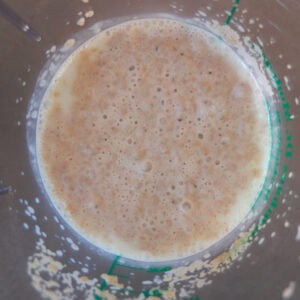
- In a large mixing bowl, combine the flour, butter, salt, and remaining egg. Pour in the yeast-milk mixture. Knead with a hand or stand mixer for 10 minutes until smooth.500 g all-purpose flour, 80 g butter, ½ tsp salt
- Place the dough in a bowl and cover with a moist tea towel. Turn off the oven and place the dough inside to rise for 1 hour, until it doubles in size.
- Meanwhile, prepare the marzipan-almond filling. In a bowl, mix together the marzipan, ground almonds, sugar, melted butter, and milk. You can leave the mixture crumbly or blend it into a smooth paste.200 g marzipan , 200 g ground almonds , 50 g granulated sugar, 50 g butter, 6 tbsp milk
- Once the dough has risen, roll it out into a rectangle, approximately 30 x 40 cm (12 x 16 inches), on a floured surface or non-stick silicone mat. (watching the video might help the assembly)
- Evenly sprinkle or spread the marzipan-almond paste over the dough. Roll the dough tightly along the long edge to form a log.

- Place the roll on a parchment-lined baking tray. Using a sharp knife, cut the dough roll lengthwise into two strands. Twist the strands together and shape into a wreath. Cover and let rest for 10 minutes.

- In the meantime preheat the oven to 160°C (320°F).
- Before baking, brush the bread with the reserved milk-egg mixture. Sprinkle with sliced almonds.3 tbsp sliced almonds

- Bake for 45 minutes. To check for doneness, insert a skewer into the center; if it comes out clean, the bread is ready.
- Let cool before serving. If desired, dust with powdered sugar. Enjoy with butter and jam.
Video
Notes
I would recommend checking out the step-by-step images in the main post. Also watching the video may help.
Storage Instructions:
The Bread tastes best the day it is baked, but keeps in an airtight container up to three days.Baking with Yeast: Steps for Sucess
Baking with yeast is not rocket science. Here are my best tips to ensure that your yeast dough rises every time.- Use lukewarm milk. The microorganism in the yeast will activate through heat and sugar. The ideal temperature of the milk should be around 30-35°C / 86-95 °F. If the temperature rises above 45°C/113°F, the cells will die and your dough will not rise.
- Make sure your yeast is in-date. Using out of date yeast is a common reason for the dough not rising.
- 35°C/95 °F is the perfect temperature for the dough to rise. The temperature should not get hotter than 40 °C/104°F. If your kitchen is cooler, then preheat the oven to the lowest setting. Turn the oven off and place the dough in the oven. Cover it with a moist tea towel so it does not dry out. (If your lowest setting is hotter than 40 like mine 50, leave the door open for a couple of minutes before placing the dough in)
- Knead the dough thoroughly - To ensure that the bread becomes light and fluffy you need to knead it for a long time. A well-kneaded dough hardly sticks. After the dough rises it is important to knead it again, as during the rising process gas bubbles form. This will ensure that your bread bakes evenly.
Nutrition
Calories: 488kcal | Carbohydrates: 56g | Protein: 12g | Fat: 25g | Saturated Fat: 7g | Polyunsaturated Fat: 2g | Monounsaturated Fat: 7g | Trans Fat: 1g | Cholesterol: 40mg | Sodium: 200mg | Potassium: 167mg | Fiber: 4g | Sugar: 19g | Vitamin A: 339IU | Vitamin C: 1mg | Calcium: 98mg | Iron: 3mg
